Does Interior Painting Increase Home Value?
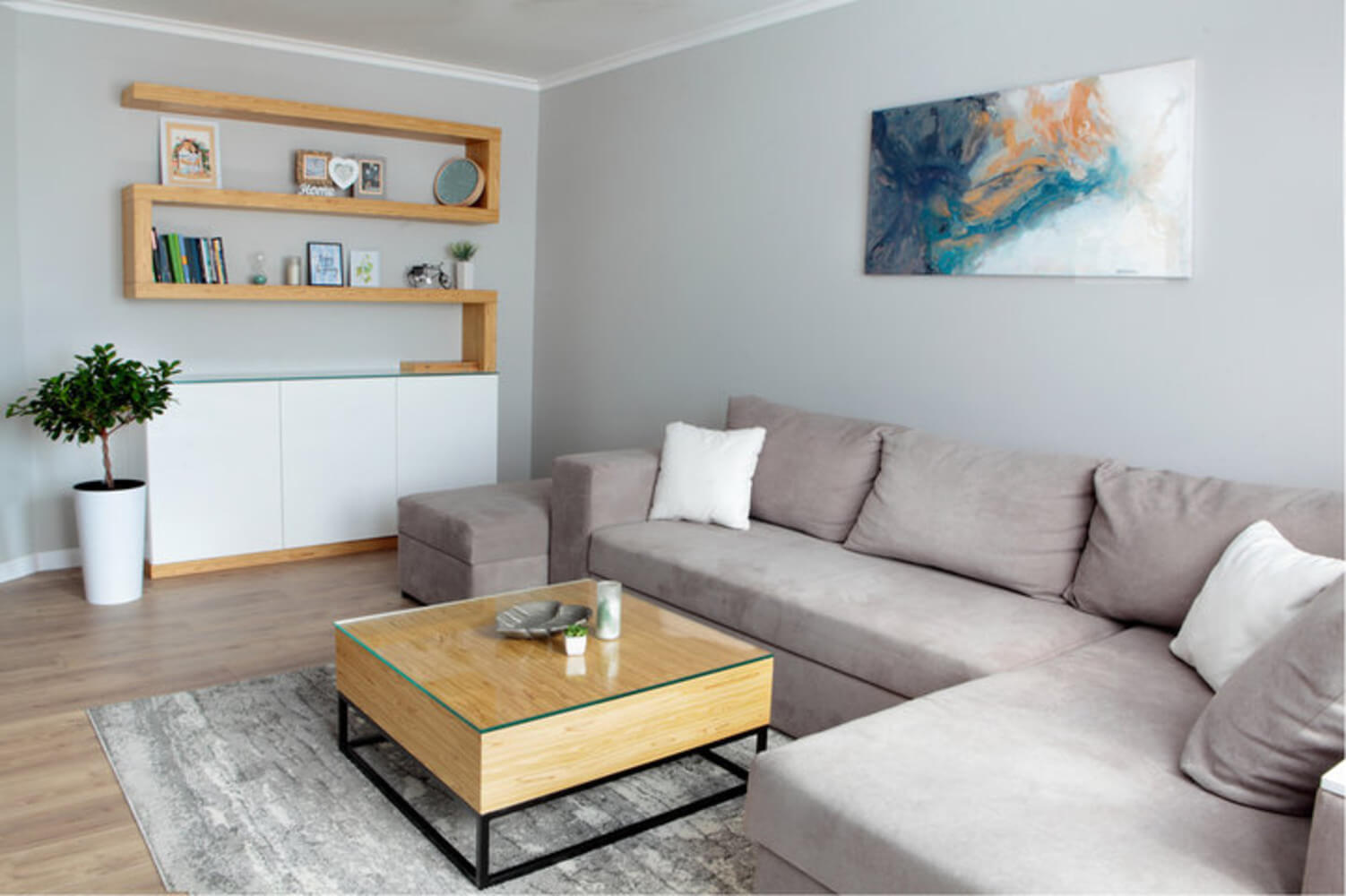
Homeowners weighing a repaint before listing want a straight answer. Interior painting is one of the few pre-sale projects that reliably pays for itself. But the real answer comes with conditions attached. What’s on the walls now, which colors go up, and how the local market is moving all change the math.
This covers the actual mechanism behind the return. It also covers what makes a specific home’s walls a good or bad candidate for a repaint. And it covers where painting fits against other options before listing.
How Interior Painting Affects Home Value in Hendersonville, NC
Industry data consistently puts interior paint return just over 100 percent. That means the typical repaint returns more than it costs. Professional interior painting adds a wide range to resale value depending on home size and condition. Figures commonly cited run between roughly $2,000 and $16,000.
That range is wide for a reason. The actual return depends heavily on the walls’ condition beforehand. It also depends on which colors go up. It isn’t a flat rule that applies to every home the same way.
A single room might cost a few hundred dollars to repaint professionally. That small project can still shift a buyer’s first impression of the whole house. A full multi-room repaint costs more, but it touches every space a buyer walks through during a showing. Home size plays a role too. A larger house simply has more wall area where condition and color choices can work for or against the sale. A four-bedroom home with dated paint in every room has more riding on the decision than a small starter home with one or two rooms in question.
A local walkthrough is still the only way to get a number specific to a given house. It’s also the only way to get a number specific to the Hendersonville market. National averages can’t account for a home’s actual condition. They can’t account for its buyer pool either, or how competitive the local listings are right now.
Why Paint Changes Buyer Perception More Than Appraised Value
Fresh paint rarely moves an official appraisal by much. Appraisers weight structural factors and comparable sales far more heavily than cosmetic condition. What paint actually changes is buyer perception. And perception is what drives offers in a competitive listing.
Clean, updated walls signal a well-maintained home. They photograph better for online listings, where most buyers form their first impression. They also make it easier for a buyer to picture their own belongings in the space.
This is the real mechanism behind the return statistic. Paint isn’t adding structural value the way a roof replacement would. It’s removing friction between a buyer and an offer. That friction is often the difference between a quick offer and a home that sits on the market for weeks longer than it should.
What Signals Mean Your Interior Paint Is Actually Hurting Resale
A few signals tend to mean existing paint is actively working against a listing:
- Walls that haven’t been painted in five to seven years
- Visible scuffs, grease stains, or deep scratches
- Fading from sun exposure through windows
- A color palette that doesn’t appeal to a broad buyer pool
These flaws are the kind buyers notice even if they can’t name why a room feels dated. A room with any of these signals also tends to photograph poorly. That matters, since most buyers see a listing online before they ever walk through the door. An unappealing color palette is its own signal worth flagging here. The dollar impact of that gets covered next. These are the actual triggers that make painting worth doing, rather than a blanket rule that every home needs a repaint.
How Color Choice Changes the Dollar Value of a Repaint
Color choice isn’t a minor detail. It’s one of the biggest value levers in the entire project, sometimes bigger than the decision to paint at all.
Recent paint-color research has tied specific colors to specific dollar swings in buyer offers. Certain warm, grounded tones consistently outperform both stark white and bold statement colors.
All-white walls often get treated as the safest choice. In practice, they can leave money on the table. Warmer neutral tones tend to perform better, particularly in bedrooms and living spaces. Bold or unusual colors used throughout a home create the opposite problem. They can measurably shrink the buyer pool. That pulls the offer price down even when the paint job itself is flawless.
The takeaway isn’t “neutral always wins.” The specific shade matters almost as much as the decision to paint at all. Color selection deserves real thought, not whatever can is already sitting in the garage.
How Interior Painting Compares to Other Pre-Sale Improvements
Compared to kitchen or bathroom renovations, interior painting costs a fraction of the investment. It still delivers one of the highest percentage returns of any pre-sale project available. For sellers juggling a limited budget and a tight timeline, that combination is hard to match with any other improvement.
A single room typically costs a few hundred to a couple thousand dollars to paint professionally. A kitchen remodel can run tens of thousands. It also comes with a far less certain return and a much longer timeline.
This makes painting one of the lowest-risk ways to improve a listing’s first impression. It doesn’t require a larger renovation budget or a project that could delay a listing by months. For sellers prioritizing a limited pre-sale budget, painting is usually one of the first projects worth doing. That cost-to-impact ratio is exactly why.
Why Market Conditions Change Whether Painting Is Worth Rushing
In a competitive or fast-moving market, buyers have less patience for homes that look dated. A home that requires imagination to see past existing decor loses ground quickly to a comparable listing down the street. That raises the value of a pre-listing repaint.
In a slower market with fewer competing listings, the pressure to present a flawless interior eases somewhat. Buyers may be more willing to look past cosmetic issues when they have fewer homes to compare against.
Timeline matters here too. Painting takes real time to schedule, prep, and complete properly. A seller on a tight listing deadline needs to weigh whether there’s enough runway to do it right. That includes the prep work that protects the final result once paint actually goes on the walls.
Market conditions don’t change whether painting adds value. They change how urgent it is to get done before listing, and how much schedule cushion a seller should build in.
How Condition, Color, and Timing Work Together
These three factors rarely operate independently in a real decision. A home with worn paint, a bold outdated color, and a tight deadline makes a far stronger case for repainting. That’s a stronger case than a home missing just one of those signals.
On the opposite end, a home missing all three signals gets its own treatment below. That’s the case where painting usually isn’t worth doing at all.
A home with dated or damaged paint in a slower market may still be worth repainting if there’s time available. The perception boost still helps even without competitive urgency pushing the decision.
Weighing all three together is what actually determines whether a specific home should be repainted. No single factor decides it alone.
When Painting Your Interior Isn’t Worth It
If the walls are already in good condition, painted a neutral color, and show no significant wear, a repaint probably won’t move the needle. The cost and time likely aren’t justified.
Spending on painting in this scenario often means pulling budget away from something with more impact. A genuine defect a home inspector would flag, like a roof issue or plumbing concern, deserves that money more than walls that already look fine.
This caveat matters because the goal isn’t painting for its own sake. It’s matching the project to what the home actually needs, not checking a box because an article said to.
How to Find Out If Your Home Needs It
The fastest way to know whether a repaint is worth it is a walkthrough. It should look at a home’s actual condition, not a generic online checklist. A professional can flag which rooms are actually hurting a listing. They can also flag which ones are already in sellable shape. That prevents spending on rooms that don’t need it.
If the walls do need work, it helps to know what a properly run interior painting project actually looks like before committing to a timeline. Rushed prep tends to show up in exactly the way buyers notice first.
Getting this assessment early leaves enough time to schedule and complete the work properly. A rushed repaint squeezed into the week before listing photos tends to skip the prep steps that make a job look finished. That undercuts the whole point of doing it.
A2 Painting works with homeowners across Hendersonville and Western North Carolina who are preparing a home for sale. Every quote accounts for a home’s specific condition and color needs, not a generic rule. Reach out for a free quote to find out whether your home’s interior is helping or hurting your listing. Or see what’s included in a full interior painting project before you decide.