Is It Too Late to Paint Your House Exterior This Fall?
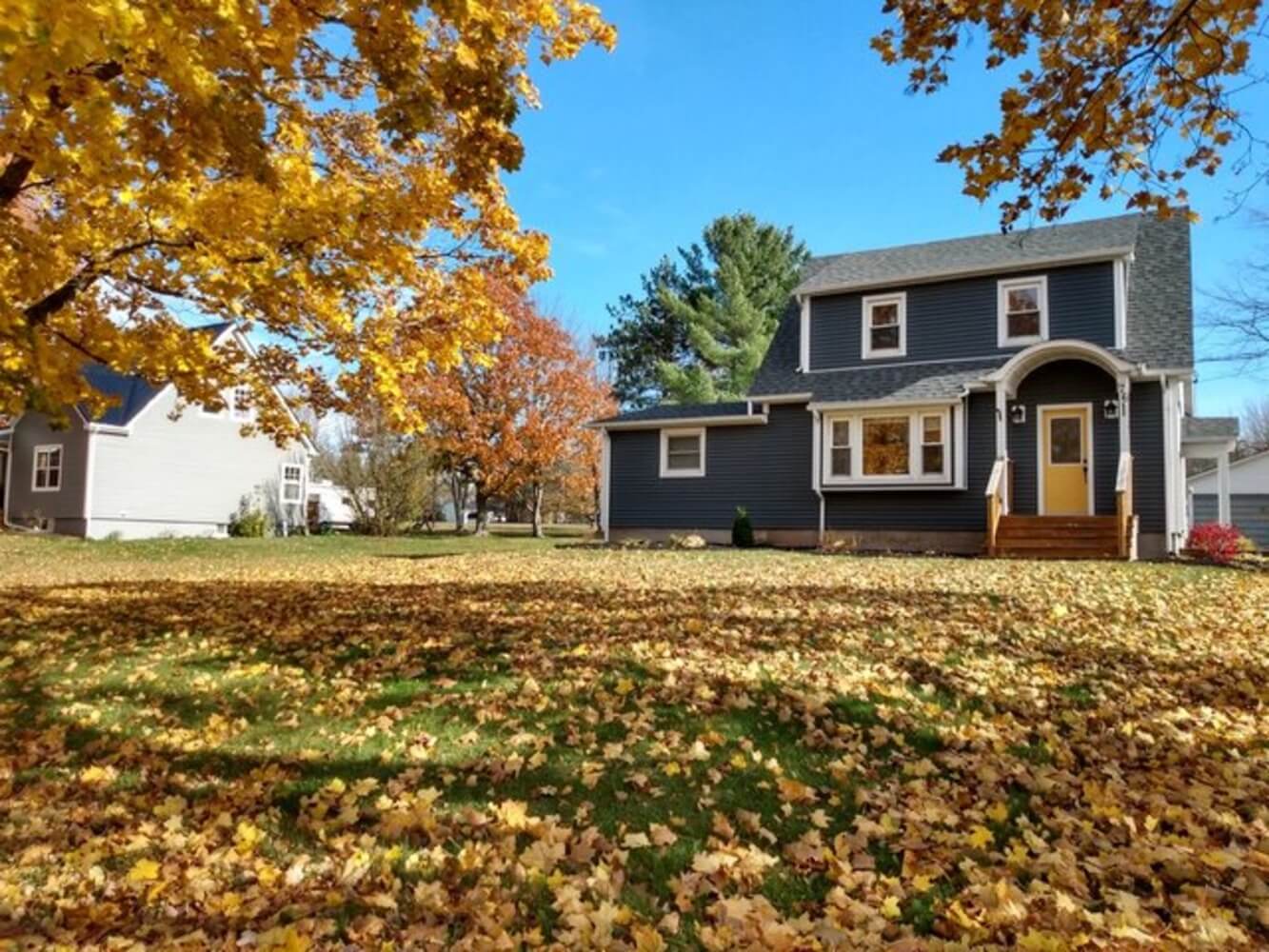
Late September brings a familiar worry for homeowners who’ve been meaning to repaint their exterior all year. The calendar is moving, and the question gets urgent fast. Is there still time this season, or does the project need to wait until spring?
Hendersonville has a real answer to that question. It isn’t the generic “watch the weather” advice you’ll find in most articles. This covers the actual cutoff for this area. It also covers why the overnight forecast matters more than the daytime one, and what to do either way.
How Late You Can Paint Your House Exterior in Hendersonville, NC
Exterior latex paint generally needs daytime application temperatures between 50 and 85°F. Overnight lows need to stay above roughly 35 to 40°F so the coating can cure properly. Some premium formulations push that lower threshold down further. But 50°F as a surface temperature is still the practical minimum most crews plan around.
In Hendersonville, that combination of conditions typically holds through mid to late October. The safe window here closes faster than it does in lower-elevation North Carolina cities.
Treat this as a guideline, not a hard date on the calendar. A warm, dry stretch in early November can still work. A wet, cold snap in early October can close things early instead. The rest of this covers why that window exists. It also covers what happens if a project pushes past it, and what your options look like either way.
Why Fall Has a Reputation as a Good Time to Paint
Fall earns its good reputation honestly. A few factors line up in its favor:
- Daytime temperatures sit in a comfortable range for both crews and curing paint
- Humidity drops compared to the summer peak, which helps paint adhere and dry
- Pollen counts fall off, reducing debris that can stick to wet paint
- Painting schedules often loosen up compared to the busy spring and summer months
Lower humidity means surfaces dry faster. Paint also bonds better to what’s underneath. That combination is part of why many painting companies treat fall as a genuinely strong season, not a fallback option. Some crews even consider September and early October the most reliable stretch of the year. It beats the unpredictable rain of spring and the thunderstorm risk of midsummer.
None of that means the season stretches indefinitely, though. Fall is a good window with a real end date. That’s exactly why the timing question feels urgent once the leaves start turning.
Why Overnight Lows Matter More Than Daytime Highs
A mild 65°F afternoon can feel like perfect painting weather. But paint keeps curing for hours after it goes on. That process continues through the night, long after the crew has packed up and gone home.
If the overnight low drops below the paint’s minimum curing temperature, the film can fail to form correctly. That failure doesn’t usually show up right away. It shows up later as poor adhesion, a chalky finish, or cracks that appear years earlier than they should.
This is why the daytime forecast alone gives a misleading picture. The overnight low matters just as much as the afternoon high, sometimes more. Professional crews watch the nighttime numbers for this reason, not just whether the day looks nice.
Early morning surface temperatures add another wrinkle. A house’s siding can sit several degrees colder than the air temperature on a weather app. This is especially true in shaded areas or on north-facing walls. A crew that checks actual surface temperature before starting catches problems a generic timeline would miss.
Why Hendersonville’s Elevation Moves the Cutoff Earlier Than Lower-Elevation Markets
Hendersonville sits at roughly 2,200 feet of elevation. That height means overnight lows drop faster and earlier in fall than they do in lower-elevation cities like Raleigh or Charlotte. The difference can run five to ten degrees on the surface itself.
A generic “North Carolina fall painting season” article written for the Piedmont or the coast skips this factor entirely. The safe window in the mountains genuinely closes sooner than a statewide average suggests, even on the same calendar date. A homeowner reading advice written for Charlotte or Wilmington could easily assume they have more time left than they actually do.
This elevation difference also explains why a crew working across Western North Carolina has to track conditions town by town, not just month by month. A project in downtown Hendersonville and one a few miles up in the surrounding hills can have different safe windows in late October, even on the same day. For homeowners comparing generic advice to their own situation, elevation is the piece most articles miss.
What Happens When You Paint Too Close to the Cutoff
Hendersonville’s historic neighborhoods still carry a lot of older wood siding. That material holds moisture more readily than newer fiber cement siding once paint goes on too late in the season.
If moisture gets sealed in before the coating fully cures, peeling, blistering, or a hazy finish often follows. Sometimes that damage doesn’t appear until the following spring. That’s when freeze-thaw cycles put stress on any weak spot in the paint film.
Freeze-thaw cycling is the specific mechanism that punishes a marginal-timing paint job in this region. Water works its way into any gap or weak spot. It freezes, expands, and thaws again. Repeat that cycle a few dozen times over a mountain winter, and it wears down the weak point until it fails.
None of this means a project scheduled for a warm, dry stretch is at risk. It just means the cutoff deserves respect. Pushing into December on the assumption that “paint is paint” is where projects run into trouble. A repaint that fails within a year or two ends up costing more in the long run than simply waiting for the next reliable window.
How Your Siding Type Changes How Much Time You Have
Because of that moisture sensitivity, different siding materials carry different safety margins before the cutoff arrives:
- Older wood siding needs the widest margin, since it absorbs and holds moisture most readily
- Fiber cement siding tolerates cooler, damper conditions noticeably better than wood does
- Stucco and masonry surfaces fall in between, forgiving but still better served by a full cure window before winter
In practice, two homes on the same street can have different real deadlines. It depends on what’s actually covering the walls, not just the date on the calendar. A T1-11 panel home and a board-and-batten wood home next door might have a full month of difference in how late they can safely go. Knowing the exact material on a specific home is part of why a walkthrough and written quote matter more than a rule of thumb from a generic article.
What to Do If You Think You’ve Already Missed the Window
If the calendar has already moved past a safe cure window, painting now isn’t worth the risk of a job that fails by spring. A few realistic options exist instead of forcing the issue:
- A narrower project, like the side of the house facing the worst weather or a single high-visibility area, can sometimes work as a stopgap if conditions allow
- Locking in an early spot on next year’s spring schedule is usually the better move for most homeowners past the cutoff, since spring books up fast once the weather turns warm
- A conversation about the specific home and timeline settles the question far better than guessing from the calendar alone
Spring bookings tend to fill quickly once the weather breaks. Reaching out early, rather than waiting until March, protects a better spot on the schedule. Homeowners who wait until the first warm week to start calling around often find the earliest date is already weeks or months out. Getting on a list in late winter, before the rush starts, is usually the difference between a spring project and a summer one.
There’s no real downside to asking now, even if the honest answer turns out to be “wait.” A quote conversation costs nothing. It also takes the guesswork out of a decision that otherwise rests on reading forecasts and hoping for the best.
Why It’s Worth Getting a Quote Now Either Way
Whether the window is still open or already closed, the next step looks the same. Find out where your specific project actually stands instead of relying on a general rule.
A walkthrough gives a real answer instead of a guess. It accounts for your home’s siding, sun exposure, and current condition, not a generic date from an article written for a different region. Fall schedules fill up fast as the season closes, so reaching out now protects whatever time is left this year.
If the answer turns out to be “wait for spring,” getting on the schedule early still means a better spot once the season opens back up.
If you’re not sure whether your home’s exterior even needs attention yet, these signs are worth checking before you decide on timing at all. Knowing whether the paint has already started failing changes how much urgency the decision deserves.
A2 Painting works across Hendersonville and the surrounding Western NC region. Every exterior quote accounts for your home’s specific siding, elevation, and sun exposure, not a generic seasonal rule. Reach out for a free quote to find out exactly where your project stands this fall. Or see what’s included in a full exterior painting project before you decide.