How to Choose Exterior Paint Colors for Your Home in Hendersonville NC
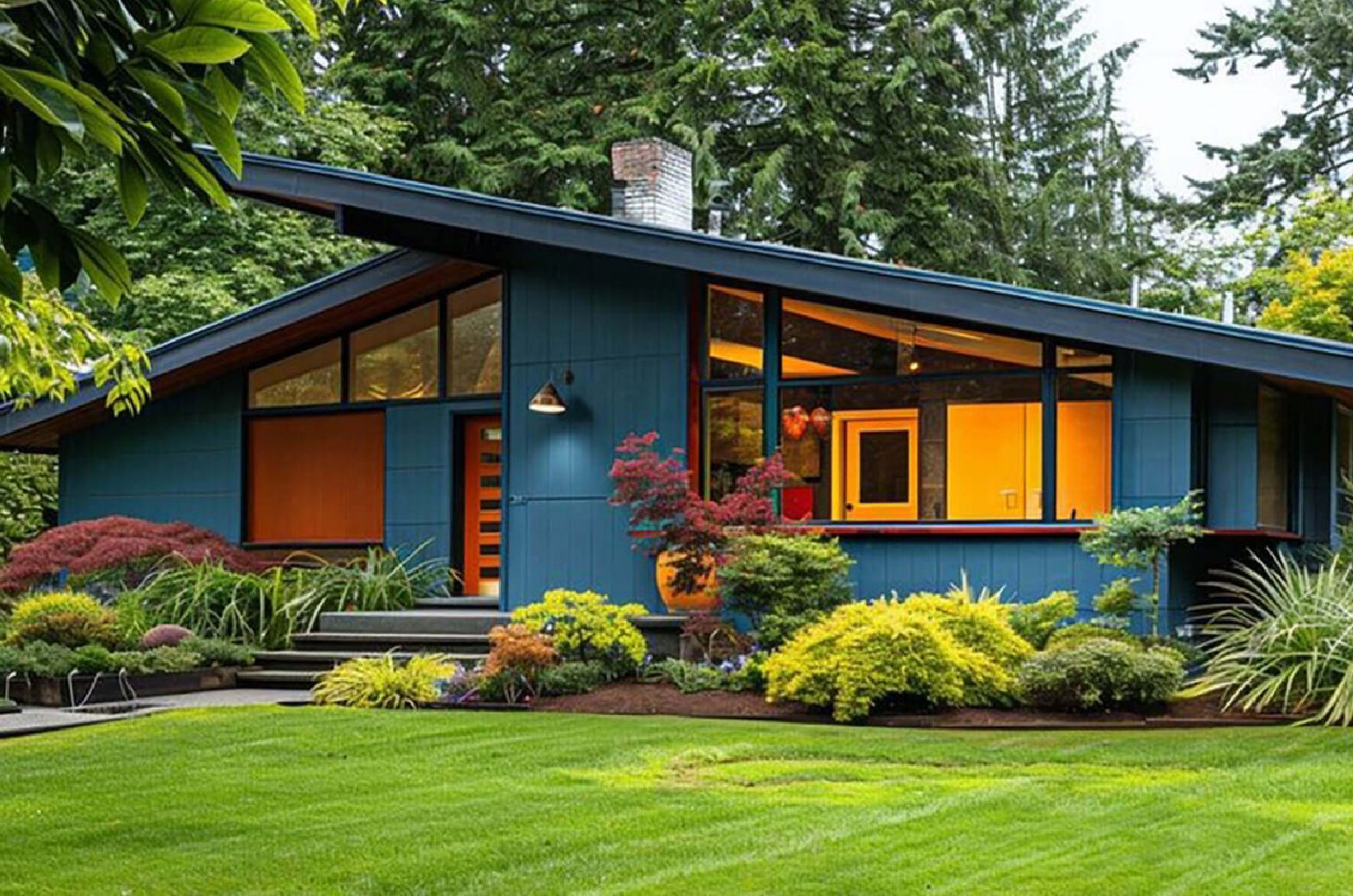
Most homeowners put careful thought into their interior paint colors and treat the exterior as an afterthought. That’s a mistake. The outside of your home is the first thing neighbors, visitors, and potential buyers see, and a poor color choice is one of the most expensive cosmetic mistakes to correct after the fact.
Knowing how to choose exterior paint colors involves more than picking a shade you like. It requires looking at your home’s fixed elements, understanding how your local environment influences color, accounting for light conditions throughout the day, and testing before you commit. For homeowners in Hendersonville NC, there are also regional factors, from the Blue Ridge Mountain landscape to historic district guidelines, that play a real role in how a color performs once it’s on the wall.
This post walks through each of those factors in order. By the end, you’ll have a clear process for narrowing down your options and making a decision you’ll be confident in, whether you’re planning to hire a professional or still figuring out where to start.
Start with Your Home’s Fixed Elements
The most common mistake homeowners make when choosing exterior paint colors is starting with the color itself. Before you look at a single paint chip, you need to take inventory of everything on your home that isn’t changing.
Fixed elements include:
- Roof color and material
- Brick, stone, or stucco accents
- Concrete walkways or foundation
- Shutters and trim (if they’re staying)
- Any architectural hardware or fixtures
These elements have undertones, either warm or cool, and your paint color needs to work with them, not against them. A roof with warm brown undertones will clash with a cool gray siding. A brick accent with orange tones will fight a stark white trim. The fixed elements on your home are effectively setting the rules before you ever open a paint deck.
To identify undertones, look at your fixed materials in natural daylight. Warm materials lean toward yellow, orange, red, and brown. Cool materials lean toward blue, green, and gray. Once you know which direction your home’s fixed elements pull, you can start narrowing your palette to colors that sit in the same temperature range, or that complement it intentionally.
This step alone eliminates a large portion of the color options you might otherwise consider, and that’s a good thing. A smaller, better-filtered set of choices makes the rest of the process significantly easier.
Consider Hendersonville’s Climate and Natural Surroundings
Color doesn’t exist in a vacuum. The environment surrounding your home has a direct influence on how a paint color looks once it’s applied, and Hendersonville’s setting creates specific conditions that are worth understanding before you commit to a palette.
Hendersonville sits in the Blue Ridge Mountains at an elevation of roughly 2,200 feet. The landscape is heavily wooded, and the area sees a fair amount of overcast days, especially in the cooler months. That combination of tree cover, natural greenery, and diffused light changes how colors read on an exterior surface compared to how they might look in a sunnier, more open environment.
Colors that photograph beautifully on homes in flat, sun-drenched climates can look flat or muddy against a mountain backdrop. Bright whites can feel stark. Saturated colors can compete with the landscape rather than complement it.
What tends to work well in this environment:
- Warm neutrals like greige, tan, and soft brown
- Muted greens that echo the surrounding tree line
- Deep blues and slate tones that hold up in low light
- Earthy reds and terracotta for homes with warm fixed elements
It’s also worth thinking about how your color will read across seasons. In fall, Hendersonville’s foliage turns deep orange and red. In winter, the landscape goes gray and bare. A color that looks grounded in July may read very differently in January. Choosing a color with enough depth and warmth to hold across all four seasons is a smarter long-term decision than one that only looks right in ideal conditions.
Understand How Light Affects Color Outside
Once you have a feel for your home’s fixed elements and the surrounding environment, the next variable to account for is light. This is where a lot of homeowners get tripped up, because exterior light behaves very differently from the controlled lighting inside your home.
Indoors, you can evaluate a paint color under a consistent light source. Outside, the light is constantly changing, and it affects how your color reads at every hour of the day and in every season.
The direction your home faces plays a significant role:
- North-facing walls stay in shade for most of the day. Colors on these surfaces will read cooler and darker than the same color on a sun-exposed wall.
- South-facing walls receive the most direct sunlight. Lighter colors can wash out, and saturated colors may look more intense than expected.
- East-facing walls get warm morning light and cooler afternoon shade.
- West-facing walls are the opposite, cooler in the morning and hit with warm, direct light in the late afternoon.
This means a single color can look noticeably different depending on which side of the house you’re looking at and what time of day it is.
The practical takeaway is simple. Before you commit to a color, spend time observing your home at different points throughout the day. Morning, midday, and late afternoon will each give you a different read. Overcast days are especially useful because they strip away the warm bias of direct sunlight and show you a more neutral version of how the color sits on the surface.
Don’t evaluate color only in the best possible light. Evaluate it in all of them.
Follow HOA or Historic District Guidelines (if applicable)
Before you get too far into the selection process, it’s worth pausing to find out whether your color choices are subject to any external guidelines. In Hendersonville, this is a real consideration for a meaningful number of homeowners.
Hendersonville’s historic downtown district has aesthetic standards in place that can restrict exterior color choices for properties within its boundaries. If your home falls within a designated historic area, certain colors may require approval before you can move forward, and some may be off the table entirely.
Beyond the historic district, many neighborhoods in and around Hendersonville are governed by homeowner associations that maintain their own approved color palettes. Mountain communities and planned subdivisions in the area commonly have these standards in place, even when they aren’t always prominently communicated to residents.
Before you invest time testing colors or narrowing down a palette, take these steps:
- Check your HOA documents or contact your HOA board directly to ask whether exterior color changes require approval
- If you’re in or near the historic district, contact the City of Hendersonville’s planning department to understand what guidelines apply to your property
- Ask whether there is a pre-approved palette you can work from, or a formal review process you need to follow
It’s easy to view these guidelines as a constraint, but they can actually simplify your decision. A pre-approved palette eliminates a large portion of the choices you’d otherwise have to evaluate on your own, and working within defined parameters tends to produce results that hold up well in the neighborhood context.
Finding this out early keeps you from falling in love with a color you can’t use.
Test Colors Before You Commit
Even after you’ve accounted for your home’s fixed elements, the local environment, light conditions, and any applicable guidelines, you still aren’t ready to buy paint. The next step is testing, and it’s one that most homeowners skip or rush through at their own expense.
A paint chip is one of the least reliable ways to evaluate an exterior color. The sample is small, it’s viewed under store lighting, and it gives you no sense of how the color will read at scale on a surface that’s exposed to sun, shade, and weather. A shade that looks like a soft warm gray on a two-inch chip can read almost beige on a full wall, or shift toward yellow in afternoon light.
The right way to test is to get the largest sample size available and apply it directly to multiple sides of your home. Observe it on a north-facing wall and a south-facing wall. Check it in the morning and again in the late afternoon. Look at it on a clear day and an overcast one. Give it at least two to three days before making a final call.
If you’d rather not apply paint directly to your siding, peel-and-stick sample panels are a practical alternative. They’re large enough to give you a realistic read on the color, they can be moved to different surfaces, and they don’t require any cleanup when you’re done.
The goal of testing isn’t to find a color that looks good in one moment. It’s to find a color that holds up across all the conditions your home will actually face.
Think About the Finish, Not Just the Color
Most homeowners treat the finish as an afterthought, something to decide quickly once the color is locked in. In reality, sheen level has a meaningful impact on how your chosen color looks on the exterior and how well it holds up over time.
Finish affects the way light interacts with the painted surface. A flatter finish absorbs light, which can soften the appearance of a color and hide minor surface imperfections like small dents, uneven textures, or older siding that isn’t perfectly smooth. The tradeoff is that flat and matte finishes tend to be less durable outdoors, where surfaces are exposed to rain, humidity, and temperature swings year-round.
Satin and eggshell finishes are the most common choices for exterior siding. They reflect a small amount of light, which gives the color slightly more presence on the surface, and they hold up better against moisture and general weathering than flat finishes do.
Trim, doors, and accent elements are typically painted in a higher sheen than the siding itself. A semi-gloss or gloss finish on trim creates visual contrast, makes architectural details stand out, and is easier to clean. The difference in sheen between your siding and your trim is part of what gives a well-executed exterior its finished, intentional look.
Choosing the wrong finish won’t ruin a color, but it can dull its impact or create maintenance problems down the road. Thinking about sheen alongside color, rather than after it, gives you a more complete picture of how your exterior will actually look and perform once the job is done.
How a Professional Takes the Guesswork Out of Exterior Color Selection
By this point in the process, it’s clear that choosing exterior paint colors involves a lot of moving parts. Most homeowners go into it expecting to pick a color they like and move on. What they find instead is a layered decision that requires accounting for fixed elements, regional environment, light conditions, local guidelines, testing, and finish selection all at once.
That’s a significant amount of variables to manage, and the cost of getting it wrong isn’t just aesthetic. Repainting an exterior is a substantial investment, and a color decision made without the full picture can mean redoing that investment sooner than expected.
A professional painter brings a set of advantages that make this process faster and more reliable:
- Local experience — A painter who has worked extensively in Hendersonville understands how the mountain environment, light conditions, and regional architecture influence color performance in ways that a general color guide won’t capture
- Fixed element matching — Professionals evaluate your roof, trim, masonry, and other fixed elements as part of the color consultation, not as an afterthought
- Product knowledge — Not every paint performs the same in every climate. A professional can recommend finishes and formulations that are suited to Western NC’s humidity and temperature range
- Reduced risk — A color decision made with professional input is far less likely to result in a costly correction down the road
- Time savings — The research, testing, and evaluation process that takes a homeowner weeks can be handled efficiently by someone who does this every day
Working with A2 Painting means you have someone in your corner who knows the area, understands the variables, and can help you arrive at a decision you’ll be confident in before a single drop of paint goes on the wall.
Getting Your Exterior Color Right the First Time
Choosing exterior paint colors is a process, and the homeowners who get it right the first time are the ones who treat it that way. They start with what’s fixed, account for their environment, pay attention to how light moves across their home, check for any guidelines that apply, test before committing, and think about finish alongside color.
Each of those steps builds on the one before it. Skipping any of them increases the chance of landing on a color that looks different than expected once it’s on the wall at full scale.
Taking the time upfront to work through the process carefully is almost always cheaper than correcting a color decision after the fact. Exterior repaints are a significant investment, and a little patience in the planning stage protects that investment for the long run.
If you’re planning an exterior repaint in Hendersonville and want help working through the color selection process, the team at A2 Painting is here to help. We work with homeowners throughout the area to evaluate their home’s specific conditions, narrow down the right options, and deliver results that hold up over time. Reach out to us to schedule a consultation and take the first step toward an exterior you’ll be proud of for years to come.